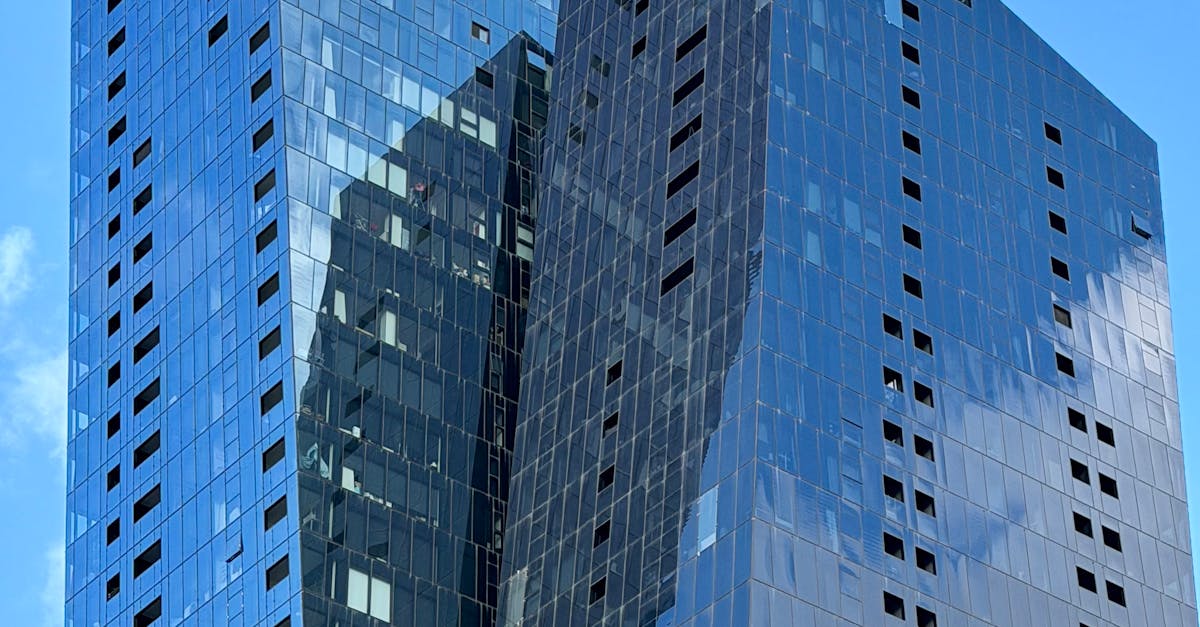
Stylish Awning Window Designs for Contemporary Australian Architecture
Table Of Contents
Customising Awning Window Designs
Awning windows can be tailored to fit various architectural styles and personal preferences. Customisation options range from the choice of materials to fittings that enhance durability and aesthetics. Homeowners can select from a variety of frame finishes including timber, aluminium, and composite materials. Each choice can provide a distinct look while ensuring functional benefits such as insulation and resistance to the elements.
The size and shape of awning windows can also be modified to achieve a unique architectural statement. Incorporating features like frosted or tinted glass can add an element of privacy while allowing natural light to flood into the space. Homeowners have the freedom to explore different configurations, such as horizontal or vertical arrangements, that complement the design of their homes. With such flexibility, awning windows can be an excellent focal point in contemporary Australian architecture.
Tailoring Designs to Suit Individual Preferences
Awning windows offer a versatile solution for homeowners looking to blend aesthetics with functionality. Custom designs can cater to unique architectural styles and personal tastes, making it easy to integrate these windows into the overall appearance of a residence. Homeowners can select frame materials, glass types, and hardware that complement their existing décor. Incorporating features like integrated insect screens and lock options further personalises the design, ensuring both practicality and style.
In addition to functionality, these windows can be tailored to enhance the character of a home. Variations in size and shape allow for creativity in placement and arrangement, creating dynamic visual interest for both the interior and exterior. Customising elements such as window trims and finishes enables owners to achieve a coherent look that reflects their personality and lifestyle, ultimately enhancing their living space.
The Role of Colours in Awning Window Aesthetics
The colour of awning windows plays a pivotal role in defining the overall aesthetic of a home. An array of shades can complement various architectural styles found in contemporary Australian design. Neutral tones like whites and greys create a timeless look, while bold colours can add a striking feature to a façade. Customisation options allow homeowners to tailor these shades to match their personal tastes and the existing colour palette of their property.
In addition, the colour chosen for awning windows can enhance natural light and optimise energy efficiency. Lighter hues typically reflect sunlight, helping to maintain cooler indoor temperatures during warmer months. Conversely, darker shades might absorb heat, potentially creating a warmer interior. This interplay of colour and thermal properties offers both functional and visual benefits, making it crucial for homeowners to consider their choices carefully.
Choosing the Right Colour Palette
The selection of colours for awning windows can significantly influence the overall aesthetic of a contemporary home. Neutral shades such as whites, greys, and beiges often create a harmonious backdrop, allowing the architectural features to take centre stage. For a more striking effect, bolder colours can be introduced, complementing the surrounding environment while adding a touch of personality. It's essential to consider factors like the local climate and light conditions when finalising these choices.
Incorporating colour into awning window designs also extends to finishes and materials. Textured surfaces in earthy tones can evoke a natural feel, aligning well with eco-friendly architectural trends. This approach offers a chance to play with contrasts, especially when pairing colourful frames with lighter glass selections. Such combinations can enhance visual interest while remaining cohesive with the broader design scheme of the home.
Enhancing Indoor-Outdoor Flow with Awning Windows
Awning windows provide an effective solution for bridging the gap between indoor and outdoor environments. Their design allows for ventilation without compromising security, making them ideal for Australian homes that seek to embrace the natural elements. When opened, these windows create a gentle arc that shields against rain while still inviting fresh air. This feature supports the indoor climate, making living spaces more comfortable.
Incorporating awning windows into contemporary architecture encourages a seamless transition between the interior and exterior. Homeowners can design spaces that flow into gardens, patios, or outdoor dining areas. The strategic placement of these windows enhances views while allowing natural light to flood in, creating an inviting atmosphere for residents and guests alike. This connection to the outdoors promotes a sense of spaciousness and enhances the overall aesthetic of the home.
Creating Seamless Transitions Between Spaces
Awning windows play a pivotal role in enhancing indoor-outdoor connections, particularly in contemporary Australian homes. Their unique design allows for ventilation without compromising on security, enabling homeowners to keep windows open during rain and inclement weather. This feature encourages the flow of fresh air while maintaining a protective barrier, making these windows ideal for spaces that blur the lines between indoor comfort and outdoor enjoyment.
The strategic placement of awning windows can create a harmonious link between living areas and outdoor spaces like patios or gardens. When aligned with the overall architectural style, these windows can frame picturesque views and invite natural light, making both areas feel more integrated. By selecting designs that complement the existing layout, homeowners can achieve an inviting atmosphere that fosters a sense of continuity throughout their living environment.
FAQS
What are awning windows and how do they work?
Awning windows are hinged at the top and open outward from the bottom, allowing for ventilation while keeping rain out. They are typically used in contemporary architecture to enhance both aesthetics and functionality.
How can I customise my awning window designs?
You can customise awning window designs by selecting different sizes, materials, and finishes, as well as incorporating various hardware options. Tailoring designs to fit your individual preferences can help achieve a unique look that complements your home.
What colour palettes work best for awning windows in contemporary Australian homes?
Neutral tones such as whites, greys, and beiges are popular, but you can also consider bolder hues to create a statement. The key is to choose colours that harmonise with the overall architectural style and surrounding landscape.
How do awning windows enhance indoor-outdoor flow?
Awning windows facilitate natural ventilation and light while providing unobstructed views of the outdoors. By positioning them strategically, you can create seamless transitions between indoor and outdoor spaces, enhancing the overall living experience.
Are awning windows energy-efficient?
Yes, awning windows can be energy-efficient, especially when fitted with double glazing and properly sealed. They help maintain comfortable indoor temperatures while providing excellent ventilation, contributing to a more sustainable home design.
Related Links
Maximising Natural Light with Awning Windows in Urban SettingsWeather Resistance: Why Awning Windows Perform Well in Melbourne
Energy Efficiency of Awning Windows in the Australian Climate
Tips for Maintaining Awning Windows Throughout the Year
Choosing the Right Size for Awning Windows in Your Home Renovation
How Awning Windows Can Improve Airflow in Melbourne's Climate
Innovative Mechanisms in Modern Awning Window Designs